Carbon Water Filtration: The Ultimate Solution for Pure and Refreshing Water
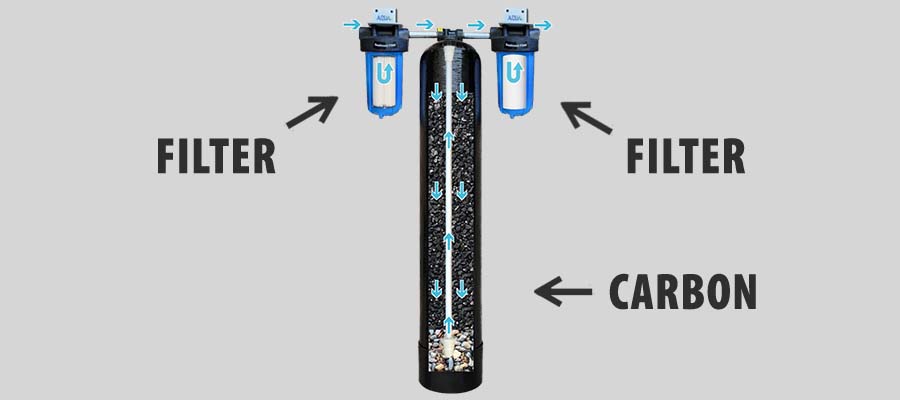
A carbon water filter is one of the most effective ways to remove contaminants from your drinking water while preserving essential minerals. These filters use activated carbon to trap harmful chemicals, impurities, and unpleasant tastes, ensuring you have access to clean, safe, and great-tasting water in your home.
How Carbon Water Filters Work
Removes Chlorine & Chloramine - Eliminates disinfectants used in municipal water treatment to improve taste and odor.
Filters Out Volatile Organic Compounds (VOCs) - Reduces harmful industrial chemicals, pesticides, and solvents.
Captures Sediments & Rust - Removes hazardous byproducts formed during water chlorination for safer drinking water.
Reduces Disinfection Byproducts (DBPs) - Hard water can leave soap scum on dishes, glassware, and bathroom fixtures. Laundry washed in hard water may feel stiff and look dull, with potential mineral deposits left on clothes.
Benefits of Using a Carbon Water Filter
Better Taste & Smell - Eliminates chlorine and other odors for fresh-tasting water.
Healthier Drinking Water - Removes contaminants while keeping beneficial minerals.
Eco-Friendly & Cost-Effective - Reduces the need for bottled water and provides long-term savings.
Versatile Usage - Works in whole-house systems, under-sink filters, refrigerator filters, and portable pitchers.
Choosing the Right Carbon Filter
Type of Carbon - Activated carbon, carbon block, or catalytic carbon.
Micron Rating - Determines how small the particles it can remove.
Filter Lifespan - Regular maintenance ensures optimal performance.
Maintaining Your Carbon Water Filter for Long-Lasting Performance
Proper maintenance is essential to ensure the continued effectiveness of your carbon water filter.
Here are some key maintenance steps:
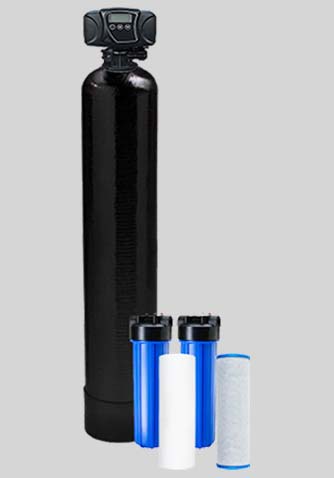
Regular Filter Replacement - Follow manufacturer guidelines to replace filters at the recommended intervals to prevent clogging and reduced efficiency.
Flushing the System - Before using a new filter, flush it with water to remove any loose carbon particles and activate the filtration process.
Monitoring Water Quality - If you notice a decline in water taste or odor, it may be time to change the filter or inspect the system.
Cleaning the Housing Unit - Periodically clean the filter housing to prevent sediment buildup and maintain optimal performance.
Common Misconceptions About Carbon Water Filters
Myth: Carbon Filters Remove All Contaminants - While effective at reducing many harmful substances, carbon filters do not remove minerals, salts, or some heavy metals.
Myth: Carbon Filters Last Forever - Filters need regular replacement to maintain effectiveness, as carbon surfaces eventually become saturated with contaminants.
Myth: All Carbon Filters Are the Same - Different filters have varying levels of effectiveness depending on the type of carbon and filter design.
Myth: Boiling Water Is Just as Effective - While boiling can kill bacteria, it does not remove chlorine, chemicals, or heavy metals like a carbon filter can.